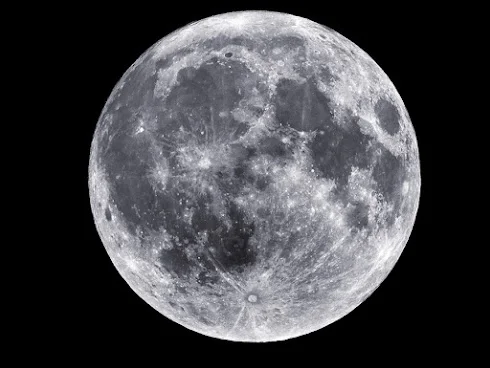
The May 2026 Full Moon, known as the Flower Moon, illuminates the night sky on Friday, May 1, 2026, reaching peak illumination at 1:23 p.m. Eastern Daylight Time (EDT) (17:23 GMT).
For those in Florida, the Moon will rise around 8:06 p.m. EDT in Miami on May 1, appearing full from the evening of Thursday, April 30, through Saturday, May 2.
What is the Full Moon in May Called?
The May 2026 Full Moon is traditionally called the Flower Moon, a name from Algonquin peoples, reflecting the blooming flowers across North America during this season, as noted by The Old Farmer’s Almanac. Other names, rooted in Native American, Colonial American, and European traditions, include:
- Budding Moon and Leaf Budding Moon (Cree): Celebrating the awakening of flora.
- Planting Moon (Dakota, Lakota): Marking the start of planting season.
- Egg Laying Moon and Frog Moon (Cree): Indicating warmer weather and animal activity.
- Moon of the Shedding Ponies (Oglala): Noting seasonal animal changes.
- Milk Moon (Anglo-Saxon, European): Referring to increased milk production or the “Month of Flowers.”
- Hare Moon, Bright Moon, Grass Moon (Celtic, Old English): Tied to spring growth.
- Corn Planting Moon or Field Maker Moon (Algonquin, Abenaki): Highlighting agricultural activities.
- Blossom Moon (Anishnaabe) and Big Leaf Moon (Mohawk): Emphasizing blooming and greenery.
Full Moon High Tide in Florida
The May 2026 Full Moon triggers spring tides, where the Sun, Moon, and Earth align, causing higher-than-normal high tides and lower-than-normal low tides. In Florida:
- East Coast (Atlantic Ocean): Expect high tides of approximately 4–5 feet above mean low water in areas like Miami, Fort Lauderdale, and Daytona Beach. Check precise tide predictions at NOAA Tides & Currents.
- Gulf Coast: High tides are lower, around 2–3 feet above mean low water, in places like Tampa, Naples, or Pensacola, due to the Gulf’s smaller tidal range.
These tides may impact beach activities such as walking, biking, or running, especially during high tide periods, which occur roughly twice daily. Tide charts for specific Florida locations are available at Tideschart.